There is a reason that the most sophisticated investors in Nigeria — and increasingly, across Africa — continue to direct capital toward Ikoyi. It is not sentiment or tradition, though both play a role. It is the consistent, measurable outperformance of this neighbourhood across every investment metric that matters: capital appreciation, rental yield, dollar-equivalence, and long-term liquidity. Ikoyi does not merely hold value. In the right hands, it grows it.
At First Equatorial Group, we have operated in this market for over nineteen years. We have guided clients through boom cycles and contractions, through Naira devaluations and policy shifts. Through all of it, one conclusion has held firm: a well-selected Ikoyi asset, properly managed, is among the most resilient investment vehicles available to a Nigerian investor. This article explains why — in detail, and with evidence.
The Heritage Premium: Why History Creates Value
Ikoyi is not a new neighbourhood finding its feet. It carries a century of prestige. Originally developed as a Government Residential Area under colonial administration, Ikoyi attracted diplomats, senior civil servants, and the emerging Lagos elite long before independence. That institutional memory — the association of the address with authority, success, and stability — does not erode with market cycles. It deepens.
This heritage premium is not abstract. It manifests in concrete, measurable ways. Tenants who could afford to live anywhere choose Ikoyi for the address itself. Multinationals and embassies housing senior staff default to Ikoyi because it signals their commitment to their personnel. Law firms, financial institutions, and oil majors cluster their executive residential stock here because their clients expect it. The address is part of the product.
In real estate, locations with genuine heritage are extraordinarily difficult to replicate. Victoria Island can be extended. Lekki will continue to develop. But no developer can manufacture what Ikoyi has accumulated over a century. That scarcity is permanent, and permanent scarcity in a growing city is the most reliable source of long-term capital appreciation there is.
In cities where trust is hard-won, a prestigious address does not merely reflect success — it signals it to everyone who matters.
Dr. Wunmi Akinwande, Group MD/CEO — First Equatorial GroupThe Dollar Hedge: Ikoyi's Built-In Currency Protection
For any investor conscious of Naira volatility — and every serious investor must be — Ikoyi offers a structural advantage that few locations in Nigeria can match: a substantial portion of its rental market is denominated in, or effectively benchmarked to, US dollars.
Grade-A residential lets in Ikoyi — particularly in the ₦120,000–₦350,000 per square metre tier — are routinely negotiated in dollar terms, with rent payable in Naira at the prevailing CBN or parallel rate at time of payment. This structure means that landlords are not simply collecting Naira income that erodes with inflation; they are collecting dollar-equivalent income that adjusts with the exchange rate.
For investors with Naira capital looking to preserve real wealth, this feature transforms Ikoyi real estate into something closer to a dollar asset wrapped in a local property. Few instruments available to a non-institutional Nigerian investor offer that combination of yield, appreciation, and currency protection simultaneously.
Seven Structural Drivers of Ikoyi's Investment Case
Beyond heritage and currency dynamics, Ikoyi's investment performance rests on a set of structural drivers that are unlikely to weaken in the medium term. Understanding these is essential for any investor building a conviction position here.
Geographic Scarcity
Ikoyi is an island. Land supply is finite by geography, not just by planning. Unlike mainland neighbourhoods, it cannot expand to absorb new demand. Every development that rises increases the floor for existing assets.
Diplomatic & Multinational Demand
Embassies, High Commissions, and the regional headquarters of multinationals anchor demand that is insulated from the domestic economic cycle. This institutional demand base provides a reliable rental floor across all market conditions.
Infrastructure Quality
Ikoyi benefits from the highest concentration of private infrastructure investment in Lagos — estate roads, private power, water treatment, and security. The public-private infrastructure gap that widens in downturns elsewhere barely registers here.
Professional Class Growth
As Nigeria's banking, legal, consulting, and technology sectors grow, the executive class that demands Ikoyi accommodation expands in parallel. Supply constraints mean this demand growth directly translates to price appreciation.
The Ikoyi-VI Ecosystem
The seamless connectivity between Ikoyi and Victoria Island — Nigeria's commercial capital — creates a live-work environment unmatched anywhere on the African continent. Proximity to finance, hospitality, and power is priced permanently into the market.
Consistent Liquidity
A property in Ikoyi priced correctly will find a buyer in under sixty days under almost any market condition. This liquidity is a premium in itself — the ability to exit a position without distress pricing is worth multiple percentage points of yield.
Gentrification & Densification
Mixed-use developments, high-specification apartment blocks, and boutique hotel projects are steadily upgrading Ikoyi's built environment. Each new premium development raises the quality threshold for the entire neighbourhood — lifting all assets within it.
The Compound Effect
These seven drivers do not operate independently. They reinforce each other. Geographic scarcity amplifies the value of diplomatic demand. Infrastructure quality attracts the professional class. Liquidity draws more capital, which funds better developments, which raises the floor. Ikoyi is a self-compounding investment ecosystem.

Ikoyi vs. Competing Prime Neighbourhoods
The investment case for Ikoyi becomes clearest when placed in direct comparison with Lagos's other premier addresses. Each neighbourhood has its merits — but they serve different investment objectives, and understanding those distinctions is essential for portfolio construction.
| Neighbourhood | Capital Appreciation | Rental Yield | Liquidity | Currency Protection | Entry Price |
|---|---|---|---|---|---|
| Ikoyi | Very High | High | Very High | Strong | ₦350M+ |
| Banana Island | Very High | Moderate | Moderate | Strong | ₦600M+ |
| Victoria Island | High | Very High | Very High | Strong | ₦250M+ |
| Lekki Phase 1 | High | Moderate | Moderate | Moderate | ₦120M+ |
| Ikeja GRA | Moderate | Moderate | Moderate | Naira-Linked | ₦80M+ |
The table above reflects general market positioning — individual assets within each neighbourhood will vary. What it illustrates is that Ikoyi occupies a uniquely balanced position: it does not lead on any single metric at the expense of another. It delivers strong performance across all of them simultaneously. For investors seeking risk-adjusted returns rather than speculative upside, that balance is precisely the point.
The Short-Let Opportunity: A New Yield Layer
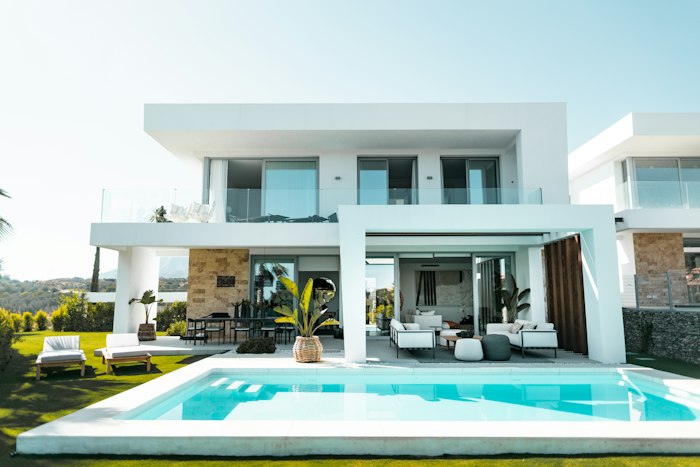
A premium yield segment that traditional investors are still overlooking
Ikoyi's growing short-let residential market — driven by corporate visitors, visiting diaspora, and international executives on extended stays — now commands nightly rates that translate to gross annual yields significantly above traditional long-let arrangements.
The short-let market in Ikoyi has matured considerably over the past three years. What was once a handful of informal arrangements has become a structured segment with professional operators, internationally comparable standards, and a loyal, recurring customer base of corporates and high-net-worth individuals who value privacy and service over the standardisation of a hotel.
For investors willing to engage a professional operator, a well-located 3-bedroom Ikoyi apartment can generate gross yields of 12–18% per annum in the short-let segment — materially above the 6–9% achievable through traditional residential letting. The trade-off is active management intensity and higher furnishing capex. But for investors already engaging a professional management firm, this incremental return is accessible without significant additional involvement.
- Corporate demand from oil majors, banks, and professional services firms rotating staff through Lagos provides a highly reliable occupancy base, often backed by company accommodation allowances.
- Diaspora returns — Nigerians visiting family from the UK, US, Canada, and the Gulf — prefer the space, privacy, and neighbourhood quality of a managed Ikoyi apartment to any hotel alternative.
- Diplomatic short-stays around treaty negotiations, summits, and official visits create concentrated demand spikes that premium operators capture at peak nightly rates.
- Regional executives from Francophone West Africa, East Africa, and South Africa increasingly base themselves in Lagos for extended stays, with Ikoyi as the default choice for the serious end of this market.
What to Buy: A Framework for Ikoyi Selection
Not all Ikoyi property performs equally. Investors who understand the micro-market — which streets, which specifications, which building configurations — consistently outperform those who simply buy the postcode. Here is the selection framework we apply when advising clients on Ikoyi acquisitions.
- Location within location: The stretch from Bourdillon Road through Osborne Road and into Alexander Drive commands the deepest demand from the diplomatic and multinational segment. Properties here carry a structural premium over equally-specified assets on the periphery.
- Private estate status: Properties within a gated, managed estate command a 15–25% premium over standalone assets and let faster, for more, across all market conditions. Estate security, maintenance standards, and community management directly affect both yield and capital value.
- Generator capacity and water independence: In any Lagos premium market, the ability to operate entirely off-grid during power outages is not a luxury — it is a prerequisite for premium letting. Assets without adequate backup infrastructure will simply not compete in the Grade-A segment.
- Floor level and view: For apartment acquisitions, the upper floors of well-managed buildings deliver meaningfully higher rents and sell at a premium to ground-floor equivalents. Lagoon and treetop views command a specific tenant premium in Ikoyi that does not exist in the same way elsewhere.
- Title quality: Ensure clean Certificate of Occupancy with no encumbrance. In Ikoyi, title issues are relatively uncommon compared to other parts of Lagos, but due diligence remains essential. We conduct thorough title verification as a standard part of every acquisition advisory engagement.
In Ikoyi, location is already decided. What separates exceptional performance from average is the specification, the management, and the structure of the deal itself.
First Equatorial Group Advisory TeamOur Current View on Ikoyi — 2026
Heading into the second quarter of 2026, our assessment of the Ikoyi market is one of cautious optimism grounded in structural fundamentals. The macroeconomic environment remains complex — Naira volatility, elevated borrowing costs, and inflationary pressure are real factors that any investor must price in. But Ikoyi's structural drivers are entirely intact, and in some respects have strengthened.
Demand from the diplomatic community has not contracted. Multinational residential demand has, if anything, grown as more international firms establish or expand their West African presence in Lagos. The professional class continues to expand faster than premium residential supply. And the densification of the neighbourhood — new developments raising the quality and energy of the immediate environment — continues to attract capital and lift values across the board.
We see particular opportunity in three areas specifically for investors entering or expanding Ikoyi exposure in 2026:
- Off-market acquisitions from long-term holders looking to rebalance portfolios or liquidate estate assets. These transactions rarely surface publicly and require the network and relationships that First Equatorial has built over two decades in this specific market.
- Boutique apartment blocks in the 8–12 unit range, where an investor can control an entire building, standardise management, and build a short-let operation that achieves institutional-grade occupancy and yield at a private scale.
- Mixed-use development plots along the Ikoyi-Victoria Island corridor, where ground-floor commercial income provides a yield base and residential upper floors capture the appreciation premium. These are complex transactions requiring experienced project management — but the returns for those who execute well are compelling.
If you are building a serious real estate portfolio and Ikoyi is not already part of it, the time to engage is now — not when the next cycle peaks and entry prices reflect the consensus view. The investors who look back on 2026 as a defining year will be those who moved while others were deliberating.
First Equatorial Group offers private advisory consultations for investors assessing Ikoyi exposure. Our engagements begin with a thorough understanding of your capital position, investment horizon, and portfolio objectives — and end with a specific, actionable recommendation. We do not offer generic advice.